Reiki vs. Traditional Healing: Understanding the Differences


Understanding Reiki
Reiki is a form of alternative therapy that originated in Japan in the early 20th century. It involves the transfer of universal energy from the practitioner to the patient through touch or hovering hands. The aim is to promote healing and balance within the body. This practice is based on the belief that energy can become stagnant in the body, leading to physical, mental, and emotional issues.
Reiki sessions typically involve the patient lying down fully clothed while the practitioner places their hands lightly on or just above the body. Sessions can last from 20 to 60 minutes, and the patient often feels a warm sensation or tingling during the process.

Traditional Healing Practices
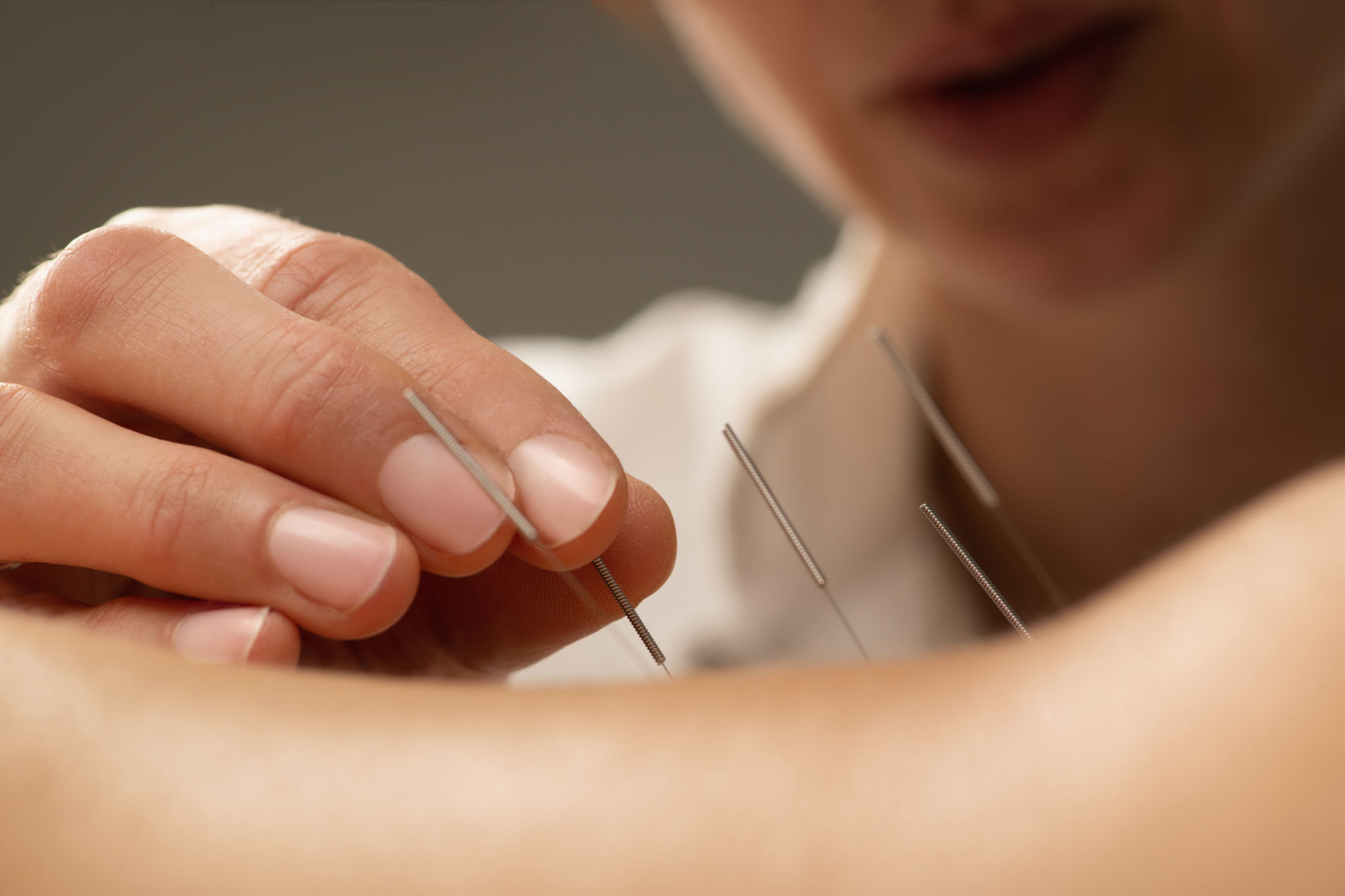
Traditional healing refers to a variety of therapeutic approaches that have been used for centuries in different cultures. These methods often include herbal remedies, acupuncture, massage, and other techniques passed down through generations. Unlike Reiki, traditional healing practices are rooted in specific cultural contexts and may involve physical manipulation or the use of natural substances.
One of the key elements of traditional healing is its holistic approach, addressing not just the symptoms but the entire individual—mind, body, and spirit. This can involve a combination of treatments aimed at restoring balance and promoting overall well-being.

Key Differences Between Reiki and Traditional Healing
While both Reiki and traditional healing aim to restore balance and promote health, there are several differences between the two. Understanding these differences can help individuals choose the right approach for their needs.
Philosophical Foundations
Reiki is largely based on the concept of life force energy and its flow through the body. In contrast, traditional healing practices are often grounded in cultural beliefs and may involve a deeper connection to spiritual or ancestral elements.
Methods of Treatment
Reiki involves minimal physical contact, focusing on energy transfer. Traditional healing, however, can include a variety of methods such as acupuncture, herbal medicine, and physical manipulation, depending on the cultural background.
Choosing the Right Approach
Deciding between Reiki and traditional healing depends on individual preferences and specific health needs. Some people may prefer Reiki for its gentle, non-invasive nature, while others might choose traditional healing for its comprehensive approach and use of natural remedies.
It's important to consider the practitioner's qualifications and experience when exploring either option. Seeking recommendations and researching the credibility of the practice can ensure a safe and effective healing experience.
Conclusion
Both Reiki and traditional healing offer unique benefits and can be effective in promoting health and well-being. Understanding the differences between these practices allows for informed decision-making and a more personalized approach to health care. Whether seeking to balance energy or explore age-old traditions, both paths offer valuable avenues for healing.