
Reiki vs. Traditional Medicine: A Complementary Approach


Understanding Reiki
Reiki is a form of alternative therapy that originated in Japan. It involves the transfer of energy from the practitioner's palms to the patient to promote emotional or physical healing. The word "Reiki" is derived from two Japanese words: "Rei," meaning universal, and "Ki," meaning life energy. This practice is rooted in the belief that our bodies are made up of energy fields and that balancing these energies can lead to improved health.
Practitioners of Reiki claim that it can help reduce stress, enhance relaxation, and promote overall well-being. Unlike traditional medicine, Reiki does not involve the use of pharmaceuticals or surgical interventions. Instead, it relies on the natural energy flow within the body.

Traditional Medicine: A Scientific Approach
Traditional medicine, often referred to as Western medicine, is based on scientific research and clinical trials. It involves diagnosing and treating diseases with medications, surgeries, and other interventions. This approach relies heavily on evidence-based practices and the use of advanced technology to provide effective treatment options.
Western medicine has made significant advancements in combating diseases and prolonging life expectancy. It is often the first choice for treating acute illnesses and emergencies due to its ability to provide rapid and measurable results.

A Complementary Approach
While Reiki and traditional medicine may seem worlds apart, they can actually complement each other. Integrating both approaches can offer a more holistic treatment plan. By combining the strengths of each, patients may experience enhanced healing and well-being.
For instance, patients undergoing chemotherapy might use Reiki to manage side effects like nausea and anxiety. This complementary approach allows for a more personalized treatment plan that addresses both physical and emotional needs.
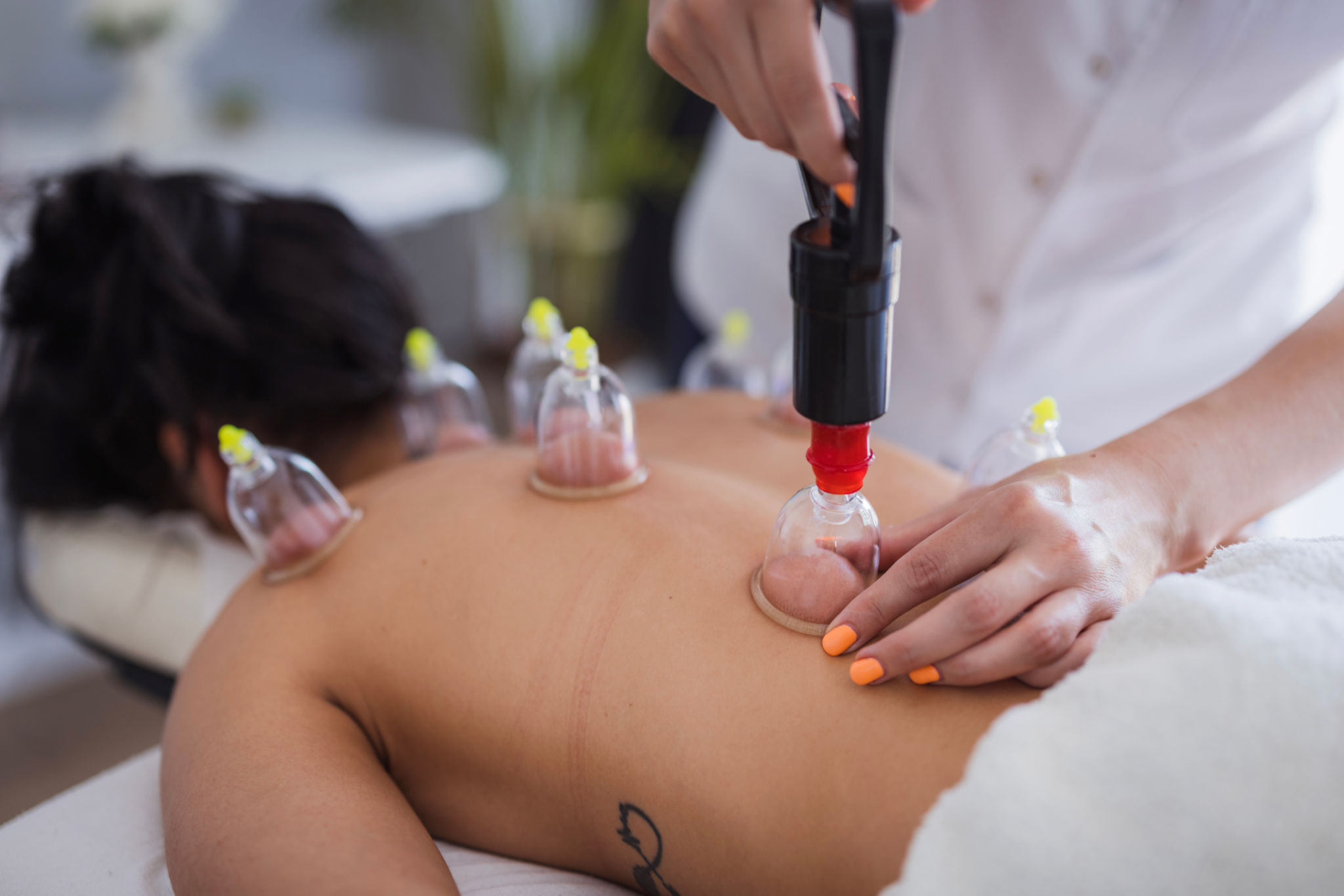
Benefits of Combining Reiki and Traditional Medicine
- Holistic Care: Patients receive comprehensive care that addresses mind, body, and spirit.
- Reduced Stress: Reiki can help alleviate stress, enhancing the body's natural healing processes.
- Improved Recovery: Combining therapies may lead to faster recovery times and improved overall health outcomes.
Considerations and Precautions
Before integrating Reiki with traditional medical treatments, it is essential to consult healthcare professionals. Some conditions may require specific medical interventions, and relying solely on alternative therapies might not be advisable.
Patients should ensure that they receive Reiki from certified practitioners to ensure safety and efficacy. Open communication between patients, doctors, and Reiki practitioners is crucial to achieving the best possible outcomes.

Conclusion
Reiki and traditional medicine offer unique benefits, and when used together, they can provide a comprehensive and effective approach to health and well-being. By embracing both, individuals can access a wider range of tools to aid in healing and maintaining health. The key lies in finding the right balance and ensuring that all treatments are tailored to the individual's specific needs.